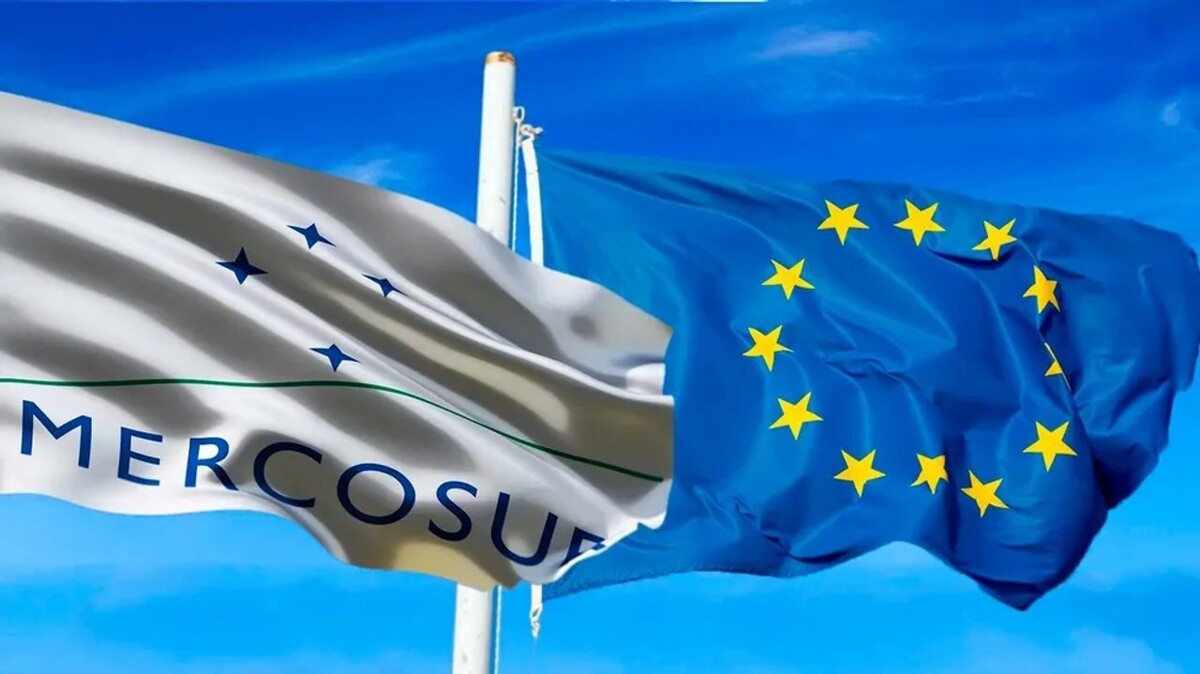
Buenos Aires, Jan 9 (NA) – The agreement between Mercosur and the European Union will boost Argentine exports by up to 35%, according to specialists. This would represent an increase in sales to that block, amounting to approximately 35,000 million euros annually, according to the Argentine News Agency. Total Mercosur-EU trade exceeded €100,000 million in 2024. Argentina contributed approximately €16,400 million to that total in 2024, consolidating itself as a principal partner in South America. The most benefited sectors would be agriculture and agribusiness (such as soybean meal and oil).
Main Argentine Exports Soybean Meal: The main product, vital for European animal feed and oils, with growing demand. Peanuts: Stands out for its quality, with significant sales. Refrigerated Beef: A key product in high demand in the European market. Biodiesel: Has shown significant drops in exports in recent years (2023-2025).
This would happen from the reduction of tariffs and greater added value. However, Argentine exporters must take into account European regulatory challenges and the need for internal investment. Regarding the impact on GDP, Mercosur would benefit from a growth close to 0.3%. Agriculture will be key because the agreement allows for a reduction in export duties. In the case of oilseeds, the reduction will be to 14%.
Benefited Sectors: Agribusiness: In this sector, beef, soybean oil, and soybean meal are noted as products with great growth potential due to the elimination or reduction of European tariffs, according to Infocampo. The agreement encourages the industrialization of raw materials, a key issue for Argentina. This will improve income and profitability.
Tariff Reduction The agreement frees tariffs for 99.5% of Mercosur's agribusiness exports, highlighting benefits for Argentina. According to sources in the agribusiness sector, an increase in Foreign Direct Investment stocks from the EU to Argentina is expected, boosting growth.
However, new environmental and sanitary regulations from the EU could affect the pace of implementation and the real impact of the agreement.